

Registering a car in California is a critical process that ensures vehicle ownership rights, facilitates legal driving, and provides essential protection for both owners and other road users. However, navigating the requirements can be challenging, given the intricate regulations and paperwork involved. This article serves as your comprehensive guide to demystifying the registration process, focusing on a crucial step: Vehicle Identification Number (VIN) verification. By the end, you’ll possess the knowledge to confidently register your vehicle in California with ease.
- Prepare Your Documents for Car Registration in California
- Understand the Importance of VIN Verification
- Visit a California Department of Motor Vehicles (DMV) Office
- Complete the Car Registration Application Process
- Finalize and Pay for Your Vehicle's Registration
Prepare Your Documents for Car Registration in California

Before you begin the car registration process in California, it’s crucial to ensure your documents are in order and prepared for a seamless experience. The state of California requires specific documentation for vehicle registration, including proof of ownership, identification, and sometimes additional forms based on your vehicle’s history or type. One critical step is verifying your Vehicle Identification Number (VIN). This process ensures the vehicle’s authenticity and is often done through a VIN inspection or verification service.
For California residents, arranging a mobile VIN inspection can be highly convenient. This service allows you to have a professional perform the VIN verification at your location, whether it’s at home or your preferred mechanic. The inspector will use specialized equipment to cross-reference the VIN with state records and databases, ensuring its validity and reporting any potential issues or discrepancies. It’s advisable to schedule this inspection in advance, especially if you’re new to the process, to avoid last-minute delays.
During the preparation phase, gather essential documents such as your vehicle’s registration certificate, title, insurance proof, and a valid driver’s license. If you’ve recently purchased a used car, you might also need a bill of sale or purchase agreement. Additionally, California’s Department of Motor Vehicles (DMV) offers various forms for different scenarios; ensure you fill out the correct ones to avoid any administrative hurdles. Properly preparing these documents can significantly contribute to a smooth car registration process and help prevent potential challenges that may arise later.
Understand the Importance of VIN Verification

Registering a car in California involves several crucial steps to ensure legal compliance and vehicle safety. Among these, Vehicle Identification Number (VIN) verification stands out as an essential process that cannot be overlooked. The VIN is a unique code that identifies your vehicle’s make, model, year, and other critical details, serving as a digital fingerprint for your car. Accurate VIN information is vital for several reasons, from preventing fraud to ensuring proper safety standards are met.
In California, VIN verification is typically conducted through either a stationary or mobile vin inspection service. Mobile vin inspection services offer the convenience of having an expert come to your location to perform the check. This is particularly beneficial for busy individuals who may not have the time to visit a registration center. During a mobile vin verification, a trained professional uses specialized equipment to cross-reference the VIN with manufacturer records and databases, ensuring its authenticity and identifying any potential issues or discrepancies. For instance, a recent study found that nearly 1 in every 50 vehicles inspected had some form of alteration to their VIN, highlighting the importance of this step.
Failure to undergo proper VIN verification can lead to serious consequences, including fines, registration denials, and legal complications down the line. Therefore, it’s advisable to incorporate mobile vin inspection or verification as part of your car registration process. This proactive approach ensures that not only is your vehicle legally registered but also that any potential problems are identified early on, saving you time, money, and future headaches. Always ensure the service provider is reputable and certified to conduct accurate VIN inspections to guarantee peace of mind.
Visit a California Department of Motor Vehicles (DMV) Office

Registering a car in California involves several crucial steps, and one of the essential procedures is visiting a local California Department of Motor Vehicles (DMV) office. This step ensures that your vehicle complies with state regulations and that all necessary paperwork is correctly completed. Upon arrival at the DMV, you’ll need to provide specific documentation, including proof of identity, residency, and ownership. It’s advisable to bring along your vehicle’s registration documents from the previous state, as well as any titles or bills of sale.
A key component of this process is the Vehicle Identification Number (VIN) verification, which can be seamlessly facilitated through mobile VIN verification services. These services allow for a quick and efficient inspection, ensuring that the vehicle matches the provided records. For instance, many mobile VIN inspectors use advanced technology to cross-reference the VIN with state databases, providing instant validation. This modern approach streamlines the process, saving both time and effort compared to traditional on-site checks.
If you’re unable to visit a DMV in person, consider leveraging mobile VIN inspection tools that offer remote verification. These services are particularly beneficial for those who live in remote areas or have busy schedules. By utilizing a mobile VIN verifier, you can ensure the vehicle’s authenticity and compliance before finalizing the registration process, making the entire experience more convenient and reliable.
Complete the Car Registration Application Process
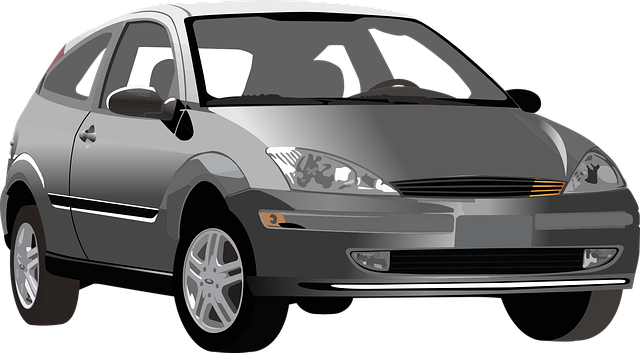
Registering a car in California involves several crucial steps, and one of the most critical is completing the Car Registration Application process. This process begins with gathering essential documents and information, including proof of ownership, vehicle identification number (VIN) verification, and the proper forms. It’s important to ensure that all details are accurate to avoid delays or issues down the line.
A key aspect of this process is VIN verification, which confirms the vehicle’s identity and history. Traditionally, this required visiting a DMV office with your car. However, in today’s digital age, many Californians opt for a more convenient approach: using a mobile VIN verifier. This service allows you to obtain a comprehensive vehicle history report—including accident records, odometer readings, and previous ownership—simply by entering the VIN online or through a mobile app. One example is using a trusted mobile VIN inspection tool that connects you to national databases, ensuring a thorough and instant verification process.
Once you’ve confirmed your car’s identity and gathered all necessary documents, including a valid driver’s license and proof of insurance, you can complete the application form. This typically includes providing personal information, detailing vehicle specifications, and paying the registration fee. It’s worth noting that specific requirements may vary based on your vehicle’s age, make, and model, so always check the California DMV website for up-to-date guidelines. For instance, older vehicles might require additional emissions testing or safety inspections. By adhering to these steps and leveraging modern tools like mobile VIN verifiers, you can streamline the car registration process in California, ensuring a smooth transition from owner to registered vehicle.
Finalize and Pay for Your Vehicle's Registration

Finalizing your vehicle’s registration is a crucial step in the process of owning a car in California. Once you’ve gathered all necessary documents and passed the vehicle inspection, it’s time to pay for your registration. This involves several key steps that require careful attention to detail. The first step is to ensure accurate VIN verification. Many California residents opt for a mobile VIN verifier to streamline this process. These services allow you to confirm your vehicle’s identity through its unique 17-character Vehicle Identification Number (VIN) using just your smartphone. This digital solution saves time and reduces potential errors compared to traditional methods.
After confirming the VIN, head to the California Department of Motor Vehicles (DMV) website or a local DMV office to initiate payment. The registration fee varies based on vehicle type and age. For example, cars over 5 years old typically have higher fees than newer models. It’s essential to pay attention to any additional charges that may apply, such as emissions testing or title transfer fees if applicable. Once all payments are processed, the DMV will issue your vehicle’s registration certificate, officially registering your car in California.
Before you drive off the lot, double-check that your registration details match those on your vehicle’s documents and that all fees have been paid in full. If you’ve used a mobile VIN verification service, ensure it was accepted by the DMV for accurate record-keeping. Properly registered vehicles are not only legal but also offer peace of mind and access to essential services like roadside assistance, insurance claims, and regular vehicle inspections.
Registering a car in California involves several crucial steps, from preparing necessary documents to completing the application process at a local DMV office. Key takeaways include the imperative need for accurate and complete documentation, especially during VIN verification, which ensures vehicle authenticity. Effectively navigating these procedures not only legalizes your vehicle but also provides access to California’s roads and all the benefits that come with proper registration. Moving forward, prioritize organizing your paperwork, understanding the significance of the Vehicle Identification Number (VIN) verification process, and scheduling a visit to the DMV to finalize your car’s registration without delay.