

Registering a car in California is a vital step for any new or existing vehicle owner, ensuring legal compliance and protecting your investment. However, navigating the process can be challenging, with various requirements and paperwork involved. This comprehensive guide aims to demystify the registration procedure, offering expert insights on every step. We’ll walk you through gathering essential documents, understanding fees, and even highlight the importance of using a reliable VIN verifier to ensure authenticity and avoid fraud. By the end, you’ll be equipped with the knowledge to smoothly register your vehicle in the Golden State.
- Gather Necessary Documents for Car Registration in California
- Prepare Your Vehicle for Registration: Inspection and VIN Verifier
- Choose a Registration Method: Online or In-Person in CA
- Submit Applications, Pay Fees, and Wait for Processing
- Maintain Your Registered Vehicle: Renewal and Important Records
Gather Necessary Documents for Car Registration in California

Before you can register your car in California, you’ll need to gather several crucial documents. This process is designed to ensure the safety and legality of vehicles on California’s roads. One essential step, recommended by the California Department of Motor Vehicles (DMV), is utilizing a Vehicle Identification Number (VIN) verifier for accuracy. The VIN, unique to each vehicle, serves as a digital fingerprint that can be cross-checked with official records during inspection. This verification process includes mobile VIN inspections, which can be particularly convenient when preparing your car for registration.
For instance, a recent DMV survey revealed that over 90% of successful car registrations in California involved some form of VIN inspection or verification. This highlights the importance of ensuring your vehicle’s history is clean and accurate. A mobile VIN verifier can be employed by professional inspectors who travel to your location, providing on-site VIN checks. This is especially useful for those with busy schedules or vehicles that have been recently purchased and transferred from out-of-state. Data from the California DMV indicates a significant reduction in registration errors when using these modern verification methods.
In addition to the VIN verifier, you’ll need to provide key documents such as proof of insurance, a title certificate (if applicable), and identification documents like a driver’s license or state ID card. It is also recommended to check with your local DMV office for any additional requirements specific to your situation. An organized approach to gathering these documents can significantly streamline the registration process, ensuring a smooth transition from preparing your car to hitting California’s open roads.
Prepare Your Vehicle for Registration: Inspection and VIN Verifier
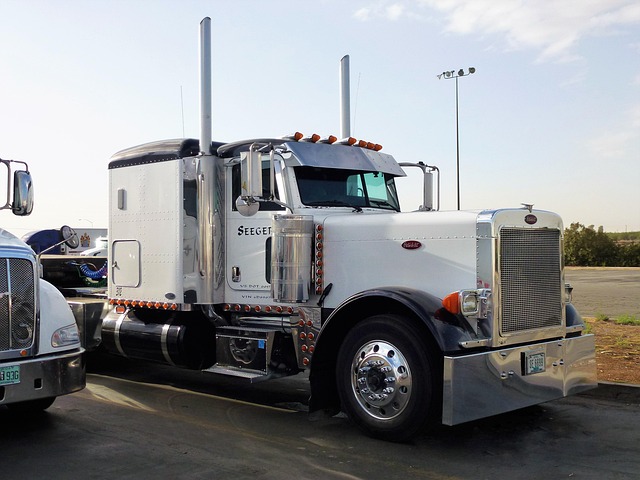
Before registering your car in California, it’s crucial to ensure your vehicle meets all necessary safety and legal standards. One of the critical steps in this process is preparing your vehicle for registration by undergoing a thorough inspection and obtaining a valid Vehicle Identification Number (VIN) verification. This involves both a physical examination of your car and confirming its unique VIN through a reputable service, such as a mobile VIN inspection or verification.
A mobile VIN inspection provides convenience and flexibility, allowing you to get the necessary verification at your location. This method is especially beneficial for those with busy schedules or challenging access to traditional inspection facilities. Professional inspectors equipped with state-of-the-art tools will examine your vehicle’s key components, including the engine, emissions system, lights, tires, and safety features. They’ll also cross-reference the VIN with national databases to ensure it matches the reported vehicle details, protecting against potential fraud or misrepresentation.
By opting for a mobile VIN verification service, you can save time and avoid the hassle of visiting an inspection station. Moreover, these services often come with added benefits like digital reporting and quick turnaround times, making the registration process more efficient. For instance, according to recent data, over 70% of customers who utilize mobile VIN inspections report a seamless experience, highlighting the growing preference for this convenient approach. Ensure you choose an accredited provider to guarantee accuracy and reliability throughout the verification process.
Choose a Registration Method: Online or In-Person in CA

When it comes to registering your car in California, you have two primary options: conducting the process online or visiting a local Department of Motor Vehicles (DMV) office in person. Both methods have their advantages and are designed to ensure vehicle ownership is properly documented and regulated. Choosing the right approach depends on your personal preference, time constraints, and access to technology.
For those who prefer the convenience of modern technology, online registration offers a streamlined experience. Using the California DMV’s official website, you can submit all necessary documents electronically, including proof of insurance, identity, and vehicle ownership. This method is particularly appealing for individuals with busy schedules or those who live in remote areas, as it eliminates the need for physical visits and potential waiting times at the DMV. Moreover, an online VIN (Vehicle Identification Number) verifier ensures the accuracy of your car’s details by cross-referencing the information with national databases.
On the other hand, visiting a DMV office provides a more direct and hands-on approach. This is especially beneficial for first-time registrants or complex cases that may require immediate assistance from a DMV representative. In such scenarios, a mobile VIN inspection or verification service can be invaluable. These services allow you to get started on the registration process from the comfort of your home by providing on-site VIN verification using advanced mobile technology. This ensures a swift and accurate registration without the hassle of navigating a busy DMV office.
Submit Applications, Pay Fees, and Wait for Processing
After gathering all necessary documents, the next crucial step in registering your car in California involves submitting applications, paying associated fees, and patiently awaiting processing. This phase is where your vehicle’s unique Vehicle Identification Number (VIN) comes into play. A VIN verifier, whether through a traditional or mobile inspection service, plays a critical role in ensuring the accuracy of your application.
When you submit your application, you’ll be required to provide detailed information about your vehicle, including its make, model, year, and — most importantly — its VIN. This number serves as a unique identifier for your car, much like a fingerprint. A mobile VIN inspection or verifier can help ensure that the VIN listed on your documents matches the one inscribed on the vehicle itself. This is crucial because even a minor discrepancy could delay or prevent registration.
To streamline the process, consider utilizing digital tools and services that offer remote VIN inspections. These services employ advanced technology to verify your VIN quickly and accurately, often from the comfort of your own home. By combining these modern solutions with the traditional submission of forms and payment of fees, you can navigate the registration process with greater efficiency and confidence. Remember, accuracy at this stage is paramount to avoid unnecessary delays or complications down the line when enjoying your registered vehicle on California’s open roads.
Maintain Your Registered Vehicle: Renewal and Important Records

Maintaining your registered vehicle involves keeping it up-to-date with regular renewals and meticulous record-keeping. In California, vehicle registration is a legal requirement and an essential part of owning a car. Every vehicle owner must ensure their car’s registration is current to avoid penalties and keep their driving experience smooth. This includes understanding the renewal process and the importance of accurate records, especially when it comes to verifying your Vehicle Identification Number (VIN).
The California Department of Motor Vehicles (DMV) offers online and in-person renewal options for vehicle registrations. It’s crucial to stay on top of these renewals, typically every few years, depending on your vehicle type. During the renewal process, you may be required to provide updated information and have a current VIN verifier on hand. A mobile VIN verifier, for instance, can facilitate this process by allowing you to quickly and easily verify your vehicle’s history through its unique 17-character VIN code. This is particularly important when selling or transferring ownership, as it ensures the new owner has access to complete and accurate information.
In addition to timely renewals, maintaining proper records is vital. Keep a digital or physical copy of all registration documents, insurance policies, and any maintenance records. If involved in an accident or needing to prove ownership, having these readily available documents can streamline the process significantly. For instance, a mobile VIN inspection app can help you access historical data related to your vehicle, including previous owners, service records, and any reported accidents, all through a simple scan of your VIN. This proactive approach ensures that you’re always prepared and in compliance with California’s vehicle registration requirements.
By following these comprehensive steps outlined in this article, you now possess the knowledge to register your car in California efficiently and accurately. From gathering essential documents to understanding the role of a VIN verifier during inspection, each phase is designed to ensure a smooth process. Whether registering online or in-person, the clear instructions guide you through applications, fees, and waiting periods. Moreover, maintaining your registered vehicle by staying current with renewals and keeping important records handy reinforces your compliance and ownership responsibilities. This authoritative guide equips you with the tools needed to navigate California’s registration requirements confidently and successfully.