

Registering a car in California is a necessary step for any new vehicle owner, yet the process can be confusing and time-consuming. With complex regulations and varying requirements across cities, many owners face challenges ensuring compliance. This comprehensive guide aims to demystify the registration procedure, empowering California drivers with knowledge. We’ll navigate through each step, emphasizing the crucial role of Vehicle Identification Number (VIN) verification for accuracy and legitimacy. By following these expert instructions, you’ll efficiently secure your car’s registration, ensuring a smooth and stress-free experience.
- Gather Necessary Documents for Car Registration
- Prepare Your Vehicle for Inspection: VIN Verification
- Complete the California Car Registration Application
- Pay the Required Fees for Car Registration
- Receive Your Vehicle's Registration and License Plate
Gather Necessary Documents for Car Registration

Before you can register your car in California, you’ll need to gather several key documents. This process is crucial for ensuring compliance with state regulations and maintaining your vehicle’s legal status. Among these documents, the Vehicle Identification Number (VIN) verification stands out as a critical step. The VIN, a unique 17-character code, serves as the car’s fingerprint, enabling accurate identification during registration. In California, it’s advisable to conduct this verification through reliable mobile vin verification services or trusted vin inspectors to avoid any discrepancies.
For instance, many mobile vin verifiers offer on-demand inspections, allowing you to complete this task conveniently from anywhere. These services not only verify the VIN but also cross-check the vehicle’s history against numerous databases, including those maintained by the National Motor Vehicle Title Information System (NMVTIS). This comprehensive inspection ensures that your car has no outstanding issues or hidden history, such as salvage titles or odometer rollbacks, which could complicate future transactions. By utilizing these modern tools, you can streamline the registration process and ensure a smooth experience.
Additionally, prepare to provide proof of insurance, vehicle ownership (like a title document), and possibly, a completed California Vehicle Registration Application form. It’s essential to double-check that all documents are up-to-date and accurate to prevent delays. Should any discrepancies arise during the VIN inspection, address them promptly to maintain your registration progress. Remember, a thorough preparation phase can significantly reduce potential hurdles during car registration in California.
Prepare Your Vehicle for Inspection: VIN Verification

Before registering your car in California, it’s crucial to ensure your vehicle meets all safety standards, starting with a thorough inspection of its Vehicle Identification Number (VIN). This unique identifier provides critical information about your car’s history and specifications, which must be verified during the registration process. The California Department of Motor Vehicles (DMV) requires VIN verification as a fundamental step to guarantee that your vehicle is safe for road use.
A key aspect of this process involves utilizing mobile VIN verifiers—specialized tools that allow for on-site inspection and validation. These mobile VIN verification services offer convenience, efficiency, and precision. For instance, many California auto repair shops and dealerships now provide mobile VIN inspection services, enabling drivers to confirm their car’s authenticity and compliance with DMV standards without leaving their location. This modern approach streamlines the registration process, benefiting both consumers and businesses.
During a mobile VIN verification, a trained professional will use specialized equipment to cross-reference your vehicle’s VIN data against reputable databases, checking for any discrepancies or signs of tampering. They’ll examine components like the engine, chassis, and body panels, ensuring they match the recorded information. This meticulous process is essential, as accurate VIN verification not only facilitates smooth registration but also plays a vital role in preventing fraud and identifying stolen vehicles. By embracing mobile VIN inspection services, California drivers can ensure their cars meet all legal requirements with ease.
Complete the California Car Registration Application

To register your car in California, you’ll need to complete several steps, one of which is filling out the California Car Registration Application. This process involves gathering essential information about your vehicle and ensuring its eligibility for registration. The application requires detailed data like make, model, year, and a unique identifier—the Vehicle Identification Number (VIN). Accurately completing this section is crucial to avoid future issues with the California Department of Motor Vehicles (DMV).
A key aspect of VIN verification is ensuring the vehicle’s authenticity and preventing fraud. In California, you can facilitate this process with a mobile VIN inspection or verifier. These services allow you to obtain a digital report quickly and conveniently, confirming your car’s details and history. For instance, a mobile VIN scanner can cross-reference your VIN against multiple databases, providing insights into the vehicle’s past ownership, accident records, and potential recalls—all vital information for responsible registration.
When completing the application, double-check all entered data, especially the VIN. A simple error in transcription can lead to delays or rejections. Consider using a mobile VIN verification service to streamline this step. For instance, many apps offer real-time, on-site scanning, enabling you to verify your VIN’s accuracy instantly. This proactive approach ensures a smoother registration process and minimizes potential headaches down the line. By combining thorough research with modern tools like mobile VIN verifiers, you can confidently navigate California’s car registration requirements.
Pay the Required Fees for Car Registration
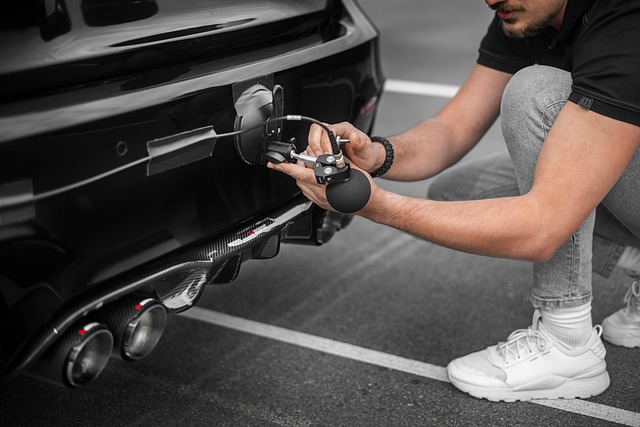
Registering a car in California involves several crucial steps, and one of the key aspects is paying the required fees for car registration. These fees vary based on vehicle type and age but generally include a registration fee, a vehicle clearance fee, and sometimes additional charges like emission inspection or dealer preparation fees. Before proceeding, ensure that your vehicle meets all safety and emissions standards to avoid any penalties.
The California Department of Motor Vehicles (DMV) offers various payment options, including online, by mail, or in-person at a DMV office. Online registration is often the quickest and most convenient method, requiring you to input your Vehicle Identification Number (VIN) for verification. A mobile VIN verifier can significantly streamline this process, allowing you to check your vehicle’s history and ensure it’s eligible for registration right from your smartphone. For instance, many mobile apps provide instant access to detailed vehicle reports, including accident history, odometer readings, and previous ownership records, all of which are essential for accurate VIN verification.
If you opt for in-person registration, bringing the necessary documents such as the title, proof of insurance, and a valid driver’s license is mandatory. In some cases, you might need to undergo a VIN inspection to confirm the vehicle’s identity and ensure it complies with state regulations. It’s advisable to schedule an appointment or arrive early to avoid long waits, especially during peak seasons when DMV offices can be bustling with registrants. By understanding the fee structure, utilizing modern tools like mobile VIN verifiers, and preparing all required documents, you can efficiently navigate the car registration process in California.
Receive Your Vehicle's Registration and License Plate

Receiving your vehicle’s registration and license plate is a crucial step in the car registration process in California. Once you’ve completed the initial paperwork and passed the state inspection, the next phase involves obtaining official plates that identify your vehicle. This process ensures not only compliance with California’s motor vehicle regulations but also enhances road safety by enabling effective tracking of vehicles involved in accidents or other incidents.
In California, you can obtain license plates through the California Department of Motor Vehicles (DMV). After submitting your application and required documents, including proof of insurance and identity, you’ll need to arrange for a Vehicle Identification Number (VIN) verification. This step is vital to confirm your vehicle’s details, including its make, model, year, and other specifications. The VIN is a unique code that serves as the primary identifier for your car globally, similar to a fingerprint. You can opt for traditional in-person VIN inspection or leverage modern conveniences with mobile VIN verification services. These mobile apps or online tools allow you to input your VIN and receive instant, official confirmation from trusted sources, making it a convenient and efficient option.
Once your VIN is verified, the DMV will issue your license plates, typically at a local field office. You’ll need to present your registration documents and pay the required fees. The cost of California license plates varies depending on vehicle type, but typically ranges from $50 to $200. It’s important to remember that regular renewal of both registration and license plates is mandatory to avoid penalties and maintain legal compliance. To streamline the process, consider setting reminders for upcoming expiration dates, ensuring you’re always up-to-date with your car’s paperwork.
Registering a car in California involves several key steps, from gathering essential documents to completing critical inspections like VIN verification. By ensuring your vehicle is ready through proper preparation and accurate application, you streamline the process and comply with state requirements. Remember, timely completion of these steps not only legally registers your car but also secures necessary documentation, including your unique Vehicle Identification Number (VIN) verification, for future reference and ownership transfers. This authoritative guide equips readers with the knowledge to confidently navigate California’s car registration process, offering clear directions and practical next steps for a seamless experience.