

Registering a car in California is a crucial step for any new or existing vehicle owner, ensuring legal compliance and facilitating smooth operations on the state’s highways. However, navigating the process can be daunting, with its many steps and requirements. This article serves as your comprehensive guide, equipping you with the knowledge to seamlessly navigate the registration procedure. We’ll delve into every aspect, from gathering necessary documents to utilizing tools like the DMV VIN verifier, ensuring a stress-free experience tailored to California’s unique regulations.
- Gather Required Documents for Car Registration
- Prepare Your Vehicle for DMV Inspection
- Understand the California Vehicle Identification Number (VIN) Verifier
- Complete the Car Registration Application Form Accurately
- Submit and Pay for Your Car Registration
Gather Required Documents for Car Registration

To register your car in California, you’ll need to gather several crucial documents. One essential step before beginning is to ensure your vehicle’s Vehicle Identification Number (VIN) is accurate and legible. This is where a DMV VIN verifier or mobile VIN verifier comes in handy. Many California residents prefer the convenience of using a mobile VIN verification service to check their car’s history before registration. It’s a smart preliminary move, as it helps avoid potential issues down the line.
Acceptable forms of identification include your driver’s license, state-issued ID card, or valid passport. Additionally, proof of vehicle ownership is required, such as a title or a bill of sale from a trusted dealer. If you’re registering a vehicle acquired through an auction, ensure you have all necessary documents that demonstrate your legal right to own it. Don’t forget to bring the vehicle’s registration from the previous state if it was recently moved.
Once your documentation is in order, you can proceed with the inspection process. Some counties in California offer mobile VIN verification services, allowing you to validate your car’s history at your convenience. This modern approach streamlines the registration process by providing real-time data on the vehicle’s past, including any accidents or outstanding liens. With this information, you’ll be better equipped to make informed decisions during registration and ensure a smooth, efficient experience.
Prepare Your Vehicle for DMV Inspection
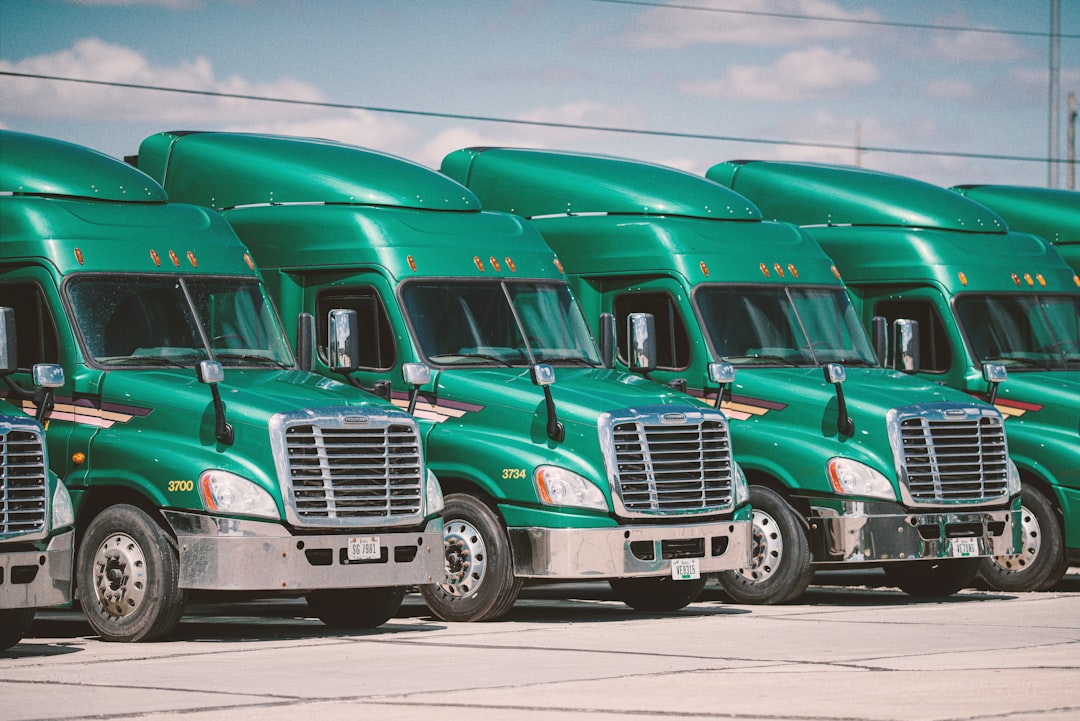
Before you can register your car in California, your vehicle must pass a rigorous DMV inspection. This process is designed to ensure that all vehicles on the road meet safety and environmental standards. One crucial aspect of preparation involves ensuring your car’s Vehicle Identification Number (VIN) is readily accessible for verification. The California Department of Motor Vehicles (DMV) requires a VIN verifier, often referred to as a mobile VIN verifier or mobile vin inspection, to confirm the authenticity of the vehicle’s identification number. This step is typically completed at the time of registration renewal or when transferring ownership.
Many car owners opt to utilize modern solutions like mobile VIN verifiers, which streamlines the process. These tools can be accessed through specialized apps or online platforms and often provide real-time data validation. For instance, a mobile vin inspection app may connect to the vehicle’s onboard diagnostics system or cross-reference the VIN with national databases to ensure it matches the manufacturer’s records. This digital approach is not only convenient but also enhances accuracy, as human error in manual verification is minimized.
To pass the DMV inspection, make sure your car’s VIN is clear and legible. If you’re using a mobile vin verifier, ensure the device has adequate signal strength to connect to the vehicle’s system. Additionally, keep important documentation handy, such as your registration papers and proof of insurance. By preparing your vehicle with these steps, you’ll be well on your way to a smooth registration process without complications.
Understand the California Vehicle Identification Number (VIN) Verifier
Registering a car in California involves several crucial steps, one of which is ensuring your vehicle’s Vehicle Identification Number (VIN) is verified accurately. The California DMV (Department of Motor Vehicles) utilizes a specialized tool known as the VIN Verifier to ensure the integrity and authenticity of each vehicle’s unique identifier. This process is designed to combat fraud and maintain the security of California’s vehicle registration system.
The VIN, a 17-character code, serves as a digital fingerprint for your car. It provides vital information about the vehicle’s make, model, year, and even manufacturing location. A proper VIN verification ensures that the data associated with this number matches the physical attributes of your car, preventing potential scams or misrepresentations. The DMV’s VIN Verifier is a sophisticated system that cross-references these details against official databases, offering peace of mind to both buyers and sellers. For instance, if you’re purchasing a used vehicle, a mobile VIN verification can help you avoid buying a stolen or altered vehicle without realizing it.
Mobile VIN verification services have emerged as convenient alternatives, allowing users to perform inspections remotely. These services utilize the same core principles as the DMV’s verifier but offer flexibility and speed. For instance, some apps enable users to simply enter their VIN to receive an instant report on the vehicle’s history and condition. This technology is particularly useful for busy individuals who value time-saving solutions without compromising accuracy. However, it’s essential to use reputable services that maintain robust data security and privacy measures.
In light of these advancements, Californians now have more options than ever to ensure their vehicle registration process is seamless and secure. Whether conducting a traditional inspection at a DMV office or leveraging mobile vin verification apps, the ultimate goal is a accurate, efficient, and reliable car registration—a cornerstone of responsible vehicle ownership in California.
Complete the Car Registration Application Form Accurately
Registering a car in California involves several steps, but one crucial aspect is ensuring your Car Registration Application Form (CRAF) is completed accurately. This form is where you’ll provide essential information about your vehicle and yourself, so attention to detail is paramount. Begin by entering your vehicle’s unique Vehicle Identification Number (VIN). The California DMV encourages the use of a DMV VIN verifier to cross-reference this number, ensuring accuracy and preventing fraud. You can verify the VIN online or through a mobile vin inspection service for added convenience.
Next, fill in details such as make, model, year, and color of your car. Accuracy here is critical as it impacts registration fees and ensures proper vehicle classification. If you’re importing a vehicle or transferring ownership, specific sections require additional documentation to prove legal entitlement to register the car. For instance, if you’re conducting a mobile vin verification using an app, ensure all information matches exactly with official records.
Additionally, provide your personal details, including name, address, and date of birth. This information is vital for record-keeping and identifying vehicle owners. Remember, any inaccuracies or missing data could delay the registration process. The California DMV offers various resources, such as a mobile vin verifier, to streamline the process and reduce errors. By carefully completing the CRAF using these tools, you set a solid foundation for a smooth car registration experience in the Golden State.
Submit and Pay for Your Car Registration

To complete the registration process in California, you’ll need to submit your application and make the necessary payments. This step involves verifying your vehicle’s identity through a crucial process known as a Vehicle Identification Number (VIN) inspection. The California Department of Motor Vehicles (DMV) utilizes a VIN verifier to ensure the accuracy of your vehicle’s details, which is essential for safety and regulatory purposes.
When preparing for this phase, consider using a mobile VIN verification service. These services allow you to conduct the VIN inspection remotely, saving you time and effort. Simply input your VIN into an approved app or website, and the system will cross-reference it with national databases to validate the vehicle’s make, model, year, and other critical information. This modern approach streamlines the registration process, especially for those who may not have easy access to traditional DMV services.
After confirming your vehicle’s details, you’ll be ready to submit your application and fees. The DMV offers various payment methods, including online payments, checks, and cash. Ensure that all required forms are accurately completed and accompanied by the appropriate documentation. As a best practice, keep records of your submissions and payments for future reference, especially if you encounter any issues during the registration process. This meticulous approach ensures a smoother experience and helps prevent potential delays or complications down the line.
By meticulously gathering all necessary documents, preparing your vehicle for a successful DMV inspection, understanding the crucial role of the DMV VIN verifier, accurately completing the registration form, and promptly submitting with payment, you can efficiently register your car in California. These steps ensure a seamless process, underscoring the importance of each phase in achieving a legitimate and up-to-date vehicle registration. Rely on this comprehensive guide to navigate the process confidently, knowing you’ve taken essential steps to meet California’s requirements, thereby securing your vehicle’s legal status with authority.