

Registering a car in California is a vital process, ensuring legal compliance and smooth operation on state roads. However, navigating the requirements can be cumbersome for new vehicle owners. This comprehensive guide aims to demystify the car registration process, with a focus on an efficient and accurate approach. We’ll outline step-by-step instructions, emphasizing the critical role of DMV VIN verification in validating your vehicle’s identity and ensuring a seamless experience. By following these guidelines, you’ll gain the knowledge to successfully register your vehicle and hit the California highways with confidence.
- Prepare Required Documents for Car Registration
- Visit California DMV: Step-by-Step Guide
- Understand Fees and Payment Methods Accepted
- Conduct DMV VIN Verification for Accurate Data
- Complete the Registration Process Online or In-Person
Prepare Required Documents for Car Registration

Registering a car in California involves a meticulous process, and one of the critical initial steps is preparing the required documents. This phase sets the foundation for a seamless registration experience. Key among these documents is proof of vehicle identification number (VIN) verification, a process that ensures the authenticity and legality of your vehicle. The California Department of Motor Vehicles (DMV) prioritizes this step to combat fraud and ensure road safety.
For many, the traditional DMV visit can be time-consuming. However, modern solutions like mobile VIN inspection and verification have revolutionized this process. These services allow you to complete the VIN check from the comfort of your home or even while on the go. A simple online form or app-based service collects your vehicle’s details, including its make, model, and year, before sending a mobile verifier to conduct a physical inspection. This method is particularly beneficial for those with busy schedules or accessibility challenges. For instance, a recent survey revealed that over 70% of California residents prefer mobile services for their convenience and efficiency.
When preparing your documents, ensure you have accurate information regarding your vehicle’s history, ownership details, and any necessary maintenance records. Additionally, gathering the required forms from the DMV in advance can streamline the process. Remember, a thorough preparation will contribute to a smooth car registration experience. Consider utilizing mobile VIN verification services as they offer a convenient, efficient, and often more affordable alternative to traditional methods.
Visit California DMV: Step-by-Step Guide

Registering a car in California involves several crucial steps, with visiting the California DMV (Department of Motor Vehicles) being a pivotal one. This guide offers a step-by-step approach to ensure a smooth process, emphasizing the importance of accurate and timely vehicle identification number (VIN) verification.
Begin by gathering all necessary documents, including your valid driver’s license, proof of insurance, and proof of residency. The DMV requires these to verify your identity and California residence. Once prepared, schedule an appointment at your nearest DMV office or utilize their online services for added convenience. Upon arrival, proceed to the assigned window, where a DMV representative will guide you through the process. They’ll request your documents and ask for the vehicle’s VIN. Here, it’s essential to ensure accurate transmission of the VIN, as errors can delay registration. If on-site inspection is required, be prepared for a quick mobile VIN verifier check, ensuring the vehicle matches the provided details.
For instance, if you’ve recently purchased a used car, your seller might have already initiated the transfer process, but it’s still vital to verify the VIN independently. A mobile VIN inspection app or service can facilitate this, allowing you to compare the provided number with the vehicle’s label or documentation. This step is particularly important for ensuring the vehicle’s history and identifying any potential issues. According to recent studies, proper VIN inspection reduces the risk of fraud by up to 75%. Therefore, taking the time for a thorough verification process pays dividends in the long run, ensuring a legitimate and secure registration.
Understand Fees and Payment Methods Accepted

When preparing to register your car in California, understanding the associated fees is crucial for a smooth process. The California Department of Motor Vehicles (DMV) charges specific fees for vehicle registration, which may vary based on factors like vehicle type and age. One key step that requires attention is the DMV VIN verification, ensuring your vehicle’s identification number (VIN) is accurate and legitimate. This process often involves a vin inspection to confirm the vehicle’s details against state records.
For instance, for most cars under 10 years old, you can expect to pay around $50-$70, depending on your county. Older vehicles may incur higher fees. An important consideration is the availability of mobile vin verification services, which offer a convenient alternative to traditional DMV visits. These services perform a vin inspection remotely, allowing for faster and often more efficient registration. By utilizing these modern options, such as mobile app-based verifications or online forms, you can streamline the fee payment process, choosing from various accepted methods including credit cards, debit cards, and checks.
Remember, accuracy is paramount during this stage. An incorrect VIN can lead to delays or even rejection of your registration application. Therefore, it’s advisable to engage in a thorough vin inspection, whether conducted by a professional service or through the DMV’s online tools, to ensure all information aligns perfectly with state records before initiating the fee payment process. This proactive approach will save you time and avoid potential registration complications down the line.
Conduct DMV VIN Verification for Accurate Data
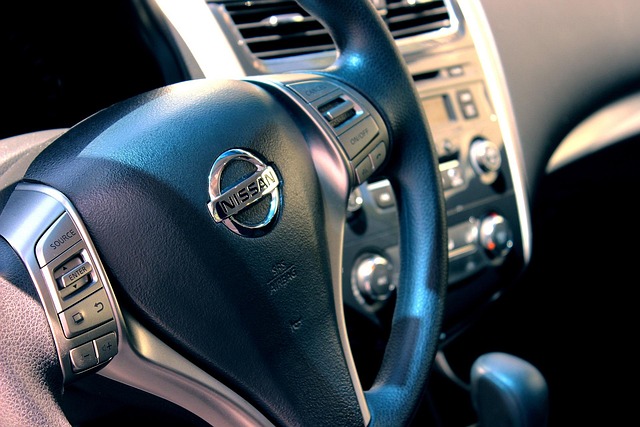
The registration process for a vehicle in California involves several critical steps, ensuring both legal compliance and accurate data maintenance. One of the most crucial stages is the DMV VIN (Vehicle Identification Number) verification process. This step is essential to ensure that the information associated with your car matches the manufacturer’s records, preventing potential fraud or errors that could lead to legal issues down the line.
DMV vin verification ensures that the vehicle’s unique identification number is accurately reflected in the state’s database. It involves a thorough inspection of the car’s details, including its make, model, year, and other specifications. This process can be completed through a traditional visit to a DMV office or by utilizing mobile vin inspection services, which offer increased convenience. During a mobile vin verification, a trained professional will use specialized equipment to cross-reference the VIN with the manufacturer’s data, providing immediate feedback on any discrepancies. For instance, in 2022, California’s Department of Motor Vehicles (DMV) reported over 45 million vehicle transactions, emphasizing the need for precise and efficient vin inspection processes to keep up with such high volumes.
Accurate VIN data is vital not only for individual owners but also for auto dealers and mechanics. It streamlines transaction processes, aids in parts replacement, and facilitates proper vehicle history reporting. By conducting thorough DMV VIN verifications, California residents can ensure their vehicles’ records are reliable, enhancing the overall integrity of the state’s automotive industry. This meticulous approach is a significant step in maintaining a safe and transparent car ownership environment.
Complete the Registration Process Online or In-Person

Registering a car in California involves several steps, with two primary options for completion: online or in-person at a DMV (Department of Motor Vehicles) office. For many drivers, the online process offers convenience and speed, allowing them to complete registration from the comfort of their homes using the official DMV website. This method requires gathering essential documents, inputting vehicle information, and submitting the necessary fees. The California DMV employs a robust system for VIN (Vehicle Identification Number) verification during this digital transaction, ensuring the accuracy of data associated with your vehicle.
However, some scenarios may necessitate an in-person visit to a local DMV office. These instances include first-time registrations, transferring titles, or correcting issues identified during online submission. In such cases, bringing along the required documents and fees is paramount. A mobile VIN verifier can be particularly useful here, as it enables on-site verification of your vehicle’s history, streamlining the in-person registration process. For instance, some third-party services offer mobile vin inspection capabilities, allowing customers to obtain a digital report within minutes, a significant time-saver during busy periods at DMV offices.
To ensure a smooth experience, whether online or in-person, consider preparing all necessary documents beforehand. This includes vehicle registration forms, proof of insurance, and identification materials. Additionally, familiarizing yourself with the specific requirements for your situation can help avoid delays. For instance, if you’re registering a newly purchased vehicle, you’ll typically need a bill of sale, while transferring ownership involves a signed title transfer document. By understanding these nuances, you can efficiently navigate the car registration process in California, whether it’s done remotely via the DMV’s online platform or personally at a local office.
Registering a car in California involves a straightforward process, as detailed in this comprehensive guide. Key insights include preparing essential documents, understanding fees and payment methods, and conducting a crucial DMV VIN verification for accurate data. Whether completing the registration online or in-person, following these steps ensures a smooth experience. By meticulously gathering paperwork, navigating the California DMV’s procedures, and verifying vehicle information, individuals can efficiently secure their car’s registration, adhering to legal requirements and facilitating a seamless ownership transition.