

Registering a car in California is a vital step for any new owner, ensuring legal compliance and protecting your investment. However, navigating the process can be a challenge, with various requirements and potential pitfalls. This comprehensive guide aims to demystify the process, providing a clear, step-by-step approach. From gathering essential documents to utilizing reliable VIN verifiers, we’ll equip you with the knowledge to streamline the registration process, ensuring a smooth and efficient experience. By following these expert-backed strategies, you’ll confidently navigate California’s automotive registration system.
- Prepare Required Documents for Car Registration
- Understand California's Vehicle Identification Number (VIN) Verifier Process
- Gather Vehicle Information and Proof of Ownership
- Submit Application and Pay Fees Online or In-Person
- Complete Title Transfer and Vehicle Inspection if Necessary
Prepare Required Documents for Car Registration

To register your car in California, you’ll first need to gather all the required documents for a seamless process. One crucial aspect involves preparing your vehicle’s Vehicle Identification Number (VIN) verifier, which plays a pivotal role in establishing ownership and ensuring the car’s history is accurate. The California Department of Motor Vehicles (DMV) requires a valid VIN inspection or verification as part of the registration process.
A straightforward method to meet this requirement is through mobile VIN verification services that utilize advanced technology for a quick and convenient check. These services allow you to obtain a digital report, enhancing the accuracy of your vehicle’s history. For instance, many reputable companies now offer remote VIN inspections, enabling you to capture the VIN with your smartphone camera or through a specialized app. This modern approach streamlines the process, saving time and effort compared to traditional methods of visiting a DMV office or seeking a professional inspection station.
Additionally, having prior knowledge of your car’s history can be beneficial during the registration. Keep records of previous ownership, maintenance logs, and any repair work for reference. Accurate documentation will facilitate the VIN verification process and ensure a smooth registration experience. Remember, providing false or incorrect information during registration is illegal and may result in penalties. Therefore, it’s essential to verify your car’s details thoroughly before initiating the registration procedure.
Understand California's Vehicle Identification Number (VIN) Verifier Process
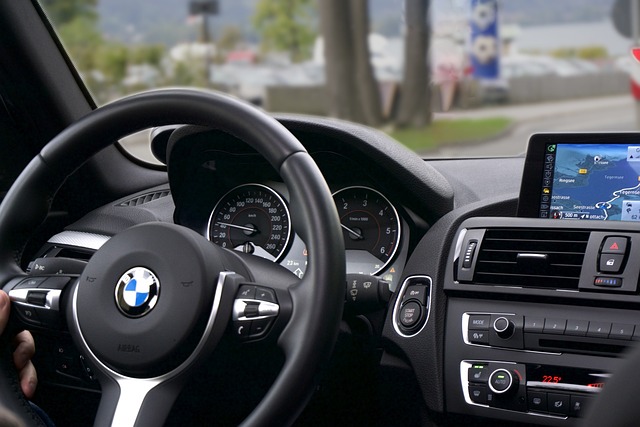
Registering a car in California involves several crucial steps, one of which is understanding and navigating the state’s Vehicle Identification Number (VIN) verifier process. The VIN is a unique 17-character code that identifies a vehicle’s make, model, year, and other critical information. In California, this number plays a pivotal role in ensuring vehicle authenticity and ownership transparency.
The California Department of Motor Vehicles (DMV) has established stringent guidelines for VIN verification to combat fraud and ensure the integrity of its records. A key component of this process is the use of specialized equipment and trained personnel to conduct thorough checks on vehicles, often referred to as mobile VIN inspections or mobile VIN verifiers. These inspections can be conducted at various locations, including private businesses, dealerships, and even on the side of the road, making it a flexible and accessible service for California residents.
For instance, during a mobile VIN inspection, a professional inspector will use advanced scanning technology to cross-reference the provided VIN with state databases, manufacturer records, and other relevant sources. This comprehensive check ensures that the vehicle’s history is free from discrepancies or signs of tampering. The process is not only critical for initial registration but also plays a vital role in subsequent transactions, such as selling or transferring ownership, ensuring that all parties involved have access to accurate information.
By employing mobile VIN verifiers, California streamlines its registration procedures while maintaining robust security measures. This approach encourages legitimate vehicle sales and ownership transfers while deterring fraudulent activities. It’s advisable for individuals navigating the car registration process in California to familiarize themselves with this aspect of VIN verification, ensuring a smoother and more secure experience throughout.
Gather Vehicle Information and Proof of Ownership

Before you register your car in California, gathering comprehensive vehicle information and proving ownership is a critical step in the process. This involves meticulously documenting key details about your vehicle, including its unique Vehicle Identification Number (VIN), which serves as a digital fingerprint for your car. Using a reliable VIN verifier, whether it’s a stationary or mobile VIN verification tool, ensures the accuracy of these data points.
For instance, when you purchase a used car, obtain the VIN from the title document and vehicle itself—often found on the driver’s side door jamb—and input it into a mobile VIN verifier for cross-referencing against state records. This simple step can prevent future issues related to ownership or history discrepancies. Moreover, having accurate VIN data is crucial when applying for registration as it facilitates faster processing by the California Department of Motor Vehicles (DMV).
In addition to the VIN, gather essential documents like the certificate of title (if applicable), purchase agreement, and any previous registration records. These materials validate your ownership rights and vehicle specifications, further streamlining the registration procedure. With these preparations in place, you’ll be well-equipped to navigate the registration process efficiently and with greater peace of mind.
Submit Application and Pay Fees Online or In-Person

Registering a car in California involves several steps, but submitting your application and paying fees can be done efficiently online or in person. Online registration offers convenience with dedicated digital platforms accepting your vehicle information and documents. Alternatively, visiting a local Department of Motor Vehicles (DMV) office allows for a more traditional approach, suitable for those who prefer face-to-face interactions.
For online submission, ensure you have accurate details at hand, including your Vehicle Identification Number (VIN). A reliable mobile VIN verifier can aid in obtaining this critical piece of data accurately and swiftly. Once prepared, create an account on the California DMV website and complete the application form, providing all necessary information about your vehicle. After double-checking for errors, submit your application and proceed to payment. Online fees typically include a base registration fee along with any applicable taxes and surcharges.
In-person registration requires gathering similar documents and filling out an application form. It’s advisable to verify the specific requirements at your local DMV ahead of time. During your visit, locate the dedicated counter for vehicle registration and present your papers. A mobile VIN inspection service can be beneficial here, as it ensures your vehicle’s history is clear and accurate before submitting your application. An inspector can quickly cross-reference your VIN with state records, reducing potential delays or issues.
Whether online or in person, ensure all fees are paid correctly to avoid complications. Properly registered vehicles not only comply with California laws but also offer peace of mind for owners, ensuring roadworthiness and access to services like insurance claims and title transfers.
Complete Title Transfer and Vehicle Inspection if Necessary

After ensuring your vehicle meets all registration requirements, the next step in the car registration process in California involves completing a title transfer and, in some cases, undergoing a vehicle inspection. This phase is crucial to ensure that both the legal ownership and the safety of your vehicle are up to par. The California Department of Motor Vehicles (DMV) oversees this procedure, which can be efficiently navigated with the assistance of specialized services offering mobile VIN inspections and verifications.
A title transfer involves updating the registration records to reflect the new owner’s information. This process requires you to submit a completed Form MV-5, along with the necessary fees and documents, such as proof of identity and the previous owner’s signature. A key component of this step is ensuring the accuracy of your Vehicle Identification Number (VIN). Using a reliable VIN verifier, like those offering mobile services, allows for quick and precise verification, which can be particularly beneficial if you’re transferring ownership outside of a traditional dealership setting.
In certain circumstances, California law mandates that vehicles undergo an inspection to ensure they meet safety and environmental standards. This is typically done through a state-approved inspection station. However, with the advent of mobile VIN services, owners now have the option of conducting these inspections conveniently at their locations. Mobile VIN inspectors equipped with digital tools can perform both verification and basic safety checks, streamlining the process and potentially saving time for California residents. For instance, data from the DMV indicates that approximately 10% of vehicle registrations in California involve mobile inspections due to their efficiency and convenience.
If your vehicle requires additional scrutiny or modifications, a specialized mobile VIN verifier can facilitate the process by providing immediate feedback on any issues related to the VIN or safety compliance. This proactive approach not only ensures a smoother registration process but also underscores the importance of maintaining accurate records for both legal and safety purposes. By leveraging these modern tools, you can complete your title transfer and inspection with minimal hassle, ensuring your vehicle is legally registered and safe to drive in the Golden State.
By meticulously following the outlined steps, from preparing essential documents to completing a VIN verifier process, you can successfully register your vehicle in California. Gathering accurate vehicle information and proof of ownership is paramount, ensuring a smooth application process whether submitting online or in-person. Completing a title transfer and vehicle inspection when necessary further solidifies the registration process. This comprehensive guide equips you with the knowledge to navigate California’s vehicle registration requirements with confidence, emphasizing the importance of each step for a successful outcome.