

Registering a car in California is a critical step for any new or existing vehicle owner. It ensures your vehicle is legally recognized on the state’s roads, facilitating access to services like insurance, title transfers, and annual inspections. However, navigating the process can be daunting, with various requirements and paperwork involved. This article serves as your comprehensive guide, detailing each step necessary to register your car in California, including the essential DMV VIN verification process. By the end, you’ll have the knowledge to confidently complete the registration, ensuring a smooth and stress-free experience.
- Prepare Required Documents for Car Registration
- Visit California DMV: Step-by-Step Guide
- Perform DMV VIN Verification for Accuracy
- Pay Car Registration Fees: Types and Due Dates
- Update Vehicle Information: Title Transfer & Changes
Prepare Required Documents for Car Registration

Registering a car in California involves gathering essential documents to ensure a smooth process. One critical step is preparing for the DMV VIN verification, which requires accurate and up-to-date information about your vehicle. The Vehicle Identification Number (VIN) inspection is a crucial aspect of the registration process, as it allows the Department of Motor Vehicles (DMV) to cross-reference key details with their records.
To facilitate this, consider utilizing a mobile VIN verification service, which offers convenience and accuracy. These services enable you to complete the VIN inspection from the comfort of your home or on the go. For instance, many mobile vin verifiers provide real-time data matching against the DMV database, ensuring your vehicle’s history is accurately represented. This technology has revolutionized car registration by streamlining the process and reducing potential errors.
When preparing for the DMV visit, gather all necessary documents, including proof of ownership, vehicle registration (if applicable), insurance policy, and identification. Additionally, ensure you have a valid driver’s license or state-issued ID card. For classic cars or vehicles with unique histories, you may need further documentation to satisfy the VIN inspection requirements. It’s advisable to contact your local DMV office to inquire about any specific documents they may request during the registration process.
Visit California DMV: Step-by-Step Guide
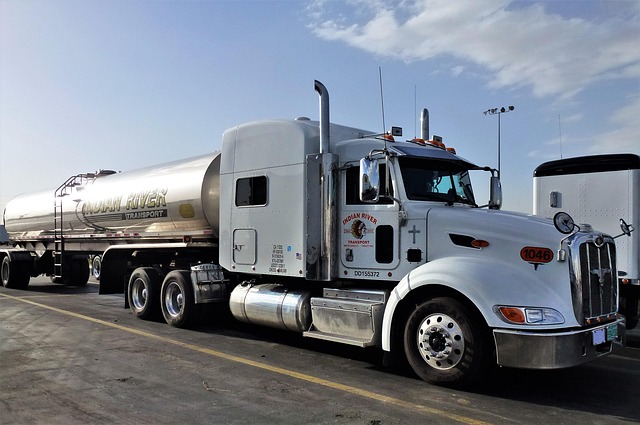
To register your car in California, the first step is to visit a California Department of Motor Vehicles (DMV) office. This process involves several key stages, each designed to ensure vehicle safety and compliance with state regulations. Upon arrival at the DMV, you’ll need to gather essential documents, including proof of ownership, insurance, and identification. A valid driver’s license or state-issued ID card is typically required for all parties involved.
Next, you’ll be directed to complete a Vehicle Registration Application form. This form requires detailed information about your vehicle, such as the make, model, year, and VIN (Vehicle Identification Number). It’s crucial to ensure the VIN accuracy during this DMV vin verification process, as it plays a vital role in identifying your car uniquely. You can facilitate this step by using official vin inspection services or even mobile vin verifier apps that provide quick and reliable results.
Once your application is complete and all required documents are in order, you’ll proceed to the inspections stage. This typically includes both a safety inspection and an emissions test. The safety inspection verifies that your vehicle meets state safety standards, while the emissions test checks its pollution control systems. If your car fails either test, it may require repairs before registration can be finalized. After passing these inspections, your application will be processed, and you’ll receive your official vehicle registration documents.
Perform DMV VIN Verification for Accuracy

To ensure the utmost accuracy during your car registration process in California, performing a DMV VIN verification is a crucial step that cannot be overlooked. Every vehicle has a unique Vehicle Identification Number (VIN), and using a mobile vin verifier or checking it through the Department of Motor Vehicles (DMV) can help verify its authenticity, historical data, and any potential issues. This meticulous process serves as a critical safety measure, enabling you to catch any discrepancies before final registration.
Many individuals opt for mobile vin verification services, leveraging advanced technology to streamline the inspection process. These mobile vin verifiers provide real-time data access, allowing you to confirm that your vehicle’s VIN matches its documented specifications. For instance, checking a car’s odometer reading and historical accident records can reveal critical information about its past use and maintenance history. By employing these tools, you gain insights into potential red flags, such as undisclosed damage or mileage manipulation, which could compromise the safety and value of your vehicle.
During the dmv vin verification process, cross-referencing data with official DMV records is paramount. Verify that the VIN decoded through mobile inspection aligns perfectly with the details registered with the state. This double-check ensures that no errors have crept in during the transfer of ownership or registration updates. In California, where vehicle regulations are stringent, adhering to these verification protocols not only facilitates a smoother registration process but also ensures your car meets all safety and legal standards. By taking this proactive step, you’re not just registering a car; you’re ensuring peace of mind on the road.
Pay Car Registration Fees: Types and Due Dates

Registering a car in California involves several steps, one of which is paying the required registration fees. These fees are categorized based on vehicle type and age, with specific due dates for payment to maintain legal compliance. Understanding these charges and deadlines is crucial for a smooth registration process.
For example, standard passenger vehicles under 10 years old are subject to a base fee plus emissions-related surcharges. As of the latest regulations, this could amount to approximately $50-$100, depending on factors like the vehicle’s age and emission standards met. Commercial vehicles, including those used for business or farming, often have distinct fee structures, potentially involving additional weights and use categories. It’s essential to consult the California Department of Motor Vehicles (DMV) website or contact a local DMV office for precise fee details tailored to your specific vehicle classification.
To streamline the payment process, the DMV offers various methods, including online payments through their official website, where you can utilize a credit card or debit card for immediate processing. Additionally, many California residents opt for mobile vin verification and inspection services, which allow for on-demand, in-person transactions at a time and location convenient to them. These services check the vehicle identification number (VIN) against DMV records to ensure all documentation is in order before finalizing registration. By availing of these modern options, such as mobile vin inspection, residents can save time and avoid potential delays or fines associated with late registrations.
Update Vehicle Information: Title Transfer & Changes

When updating vehicle information during registration in California, one of the critical steps is ensuring a seamless title transfer process. This involves accurately reflecting any changes in ownership or vehicle details on official records. The California Department of Motor Vehicles (DMV) requires thorough vin inspection and verification for every vehicle registration renewal or transfer. A Vehicle Identification Number (VIN), unique to each car, serves as a crucial identifier during this process.
For a smooth transition, consider using a mobile VIN verifier to facilitate the verification process. This innovative technology allows you to capture and transmit accurate VIN data quickly and conveniently. With just a few simple steps, you can ensure that your vehicle’s history is up-to-date and accurately represented. For instance, if you’ve recently purchased a used car, obtaining a mobile vin inspection from a trusted provider enables you to demonstrate ownership rights and the vehicle’s legal status during registration at the DMV.
Moreover, staying on top of these updates reduces potential issues later. Incorrect or missing information can delay registration or lead to problems when selling or transferring ownership in the future. It’s advisable to keep records organized and readily available to streamline any future DMV interactions. Regularly updating your vehicle’s details, including a vin inspection 1-2 times annually, is an excellent practice that demonstrates responsible car ownership.
By systematically navigating the process of car registration in California, from preparing essential documents to updating vehicle information, you’ve gained a comprehensive understanding of each critical step. Key takeaways include the paramount importance of accurate DMV VIN verification for data integrity and the necessity of timely fee payments. Remember that proper documentation, whether for title transfer or initial registration, is crucial. This authoritative guide enables you to confidently register your vehicle, ensuring compliance with California’s requirements and peace of mind on the road ahead.